Study Traces Bat Flight and Echolocation to About 65 Million Years Ago
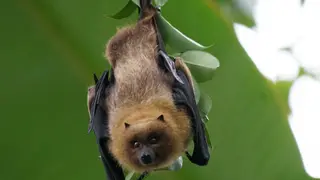
A new study combining genomes from 103 bat species and fossils from 44 ancient bats suggests bats originated in Europe around 65 million years ago. Researchers found that echolocation likely evolved very early in bat history, helping them exploit nighttime environments. The analysis, published in Nature, also indicates major bat groups later spread to other regions.
The Nature paper combined genetic and fossil evidence to reconstruct bat ancestry. It used chromosome-level genomes from 103 species spanning every recognized bat family, including 42 newly assembled genomes, plus 62 existing ones. The team also scored 699 anatomical traits across 65 species, 44 of them extinct, to build a tree including living and vanished bats.
The results place the first bats in Europe during the late Paleocene, roughly 65 million years ago, about a million years after the asteroid impact that ended the Cretaceous. Fossil Vielasia sits in the oldest bat lineage in the analysis, suggesting laryngeal echolocation arose before modern bats diversified. Later, major bat groups expanded into other regions.
This research may reshape how museums, educators, and conservation planners present bat origins and evolution. By linking flight and echolocation to an early post-dinosaur world, it could strengthen public appreciation for bats as ancient, adaptable mammals. That may support efforts to protect nighttime habitats, though findings alone cannot resolve local conservation conflicts. Scientists studying mammalian evolution could use the genomic dataset to refine future work.