Google Health's widget falls short, so these third-party widgets take over
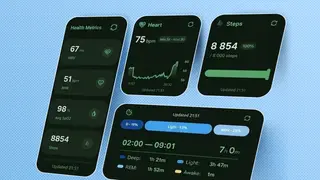
Google Health 5.0 introduced a home screen widget that only displays six current-day metrics from the Today tab. It lacks trend lines, sleep stage details, and historical context, which led the writer to replace it. A third-party app called Vital Widgets splits health data into separate cards for steps, heart rate, recovery, sleep, calories, and vitals.
Google Health 5.0 arrived in May 2026 as a rebranded Fitbit app. Its largest home-screen widget, 5x3, surfaces six current-day figures from Today and a refresh control. Tapping a figure opens its full page. The widget offers no trend lines, sleep-stage breakdown, or week-over-week resting heart rate context.
Vital Widgets instead separates data into six cards: steps, heart rate, recovery, sleep, calories, and vitals. It includes goal progress, active versus total calories, pulse sparklines, resting heart rate and HRV trends, sleep stages, blood oxygen, and skin temperature. It supports transparency, Material You colors, and layouts from 2x2 upward.
This shift may matter most to wearable owners who rely on glanceable health data. If first-party widgets remain limited, users could turn to third-party apps, potentially increasing reliance on smaller developers and raising questions about data access, privacy, and consistency. Clinicians and caregivers may see more self-tracked trends, but without context these numbers could be misread. The broader effect may be pressure on platform makers to offer richer, customizable health displays.