Remembering Althea Gibson, tennis pioneer and five-time Grand Slam singles champion, on the anniversary of her death
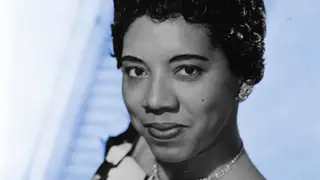
Althea Gibson died on September 28, 2003, at the age of 76 from complications related to respiratory and bladder infections. She broke racial barriers by becoming the first African-American to win a Grand Slam tournament and won five Grand Slam singles titles. Her achievements helped advance desegregation in tennis and the broader civil rights movement.
Gibson was born in 1927 on a North Carolina cotton farm and moved with her family to New York in 1930 during the Great Depression. She learned paddle tennis on Harlem streets, became New York's paddle champion at 12 in 1939, and joined the Harlem Cosmopolitan Tennis Club with neighborhood support.
Competing in the ATA, she won ten consecutive women’s national titles starting in 1947, aided financially by Sugar Ray Robinson and later by Walter Johnson and Hubert A. Eaton. In 1949 she entered the USTA National Indoor Championships, reaching the quarter-finals; in 1950, after Alice Marble’s advocacy, she played Forest Hills, beating Barbara Knapp before falling to Louise Brough.
Gibson’s breakthroughs may have widened access for Black athletes in tennis and other traditionally exclusive sports, showing that barriers could be challenged through performance and persistence. Her visibility could have encouraged young people facing discrimination, while her Grand Slam wins may have shifted public attitudes and strengthened arguments for desegregation. The effects were not immediate or universal, but her career helped make the case that talent should be judged on court rather than restricted by race.