Kosovo War Crimes Verdict Debate Overlooks Victims, Analysis Says
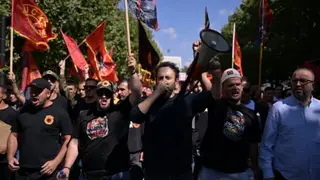
The Hague court convicted four former Kosovo Liberation Army leaders of war crimes, prompting angry responses in both Belgrade and Pristina. Belgrade argued the sentences were too lenient and did not adequately address crimes against Serbs, while Kosovo politicians called the ruling unjust and protests supported the convicted men. The article says these national reactions overlook the central issue of who the victims were and what compensation they deserve.
The Kosovo Specialist Chambers issued a first-instance ruling against four former Kosovo Liberation Army figures: Hashim Thaci, Kadri Veseli, Rexhep Selimi and Jakup Krasniqi. The court found them guilty of war crimes, according to the article.
In Belgrade, officials criticized the punishments as insufficient and said the proceedings did not give enough weight to offenses against Serbs. In Pristina, political figures rejected the outcome as unfair, while large street demonstrations backed the men convicted. The piece notes that comparable national reactions followed earlier ICTY judgments.
The ruling and the opposing responses could deepen mistrust between communities in Kosovo and Serbia, particularly affecting victims and families who may feel their losses are being overshadowed. Political actors may use the verdict to strengthen competing narratives, potentially complicating reconciliation efforts. International courts could also face renewed questions about legitimacy and perceived bias. How these dynamics unfold may depend on whether public debate shifts toward acknowledging victims and discussing compensation.