Can Machines Be Creative Without Intuition?
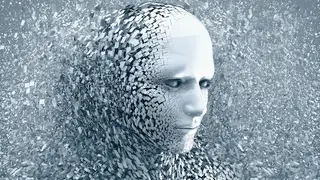
This opinion piece examines whether artificial intelligence can possess intuition and whether that capacity is required for creativity. It contrasts instinctive, non-conscious knowledge with AI's reliance on prior data, asking if machines can genuinely innovate rather than merely optimize. The author also cautions that historical information is incomplete and shaped by those who control the narrative.
The article defines intuition as gaining knowledge without deliberate reasoning or explanation, including instinct, felt certainty, and recognition below awareness. It asks whether AI can possess this capacity and whether creativity requires it, contrasting true innovation with optimization based on past information.
It adds that historical records are often incomplete and shaped by those with power, while AI may retain published material even after suppression. Synthetic outputs can lose provenance, making deletion difficult. Past knowledge can constrain problem-solving, yet earlier failures may not apply when assumptions or technical limits change.
If AI creativity relies mainly on past data, its outputs may echo existing gaps and biases, affecting artists, designers, engineers, and researchers who use such tools. Audiences could encounter synthetic material whose origins are hard to trace, complicating trust and attribution. Debates about data retention, deletion, and provenance may shape how institutions adopt AI, while the question of machine intuition could influence expectations about innovation and human creative work.