Trump's Greenland military expansion raises Arctic defense readiness questions
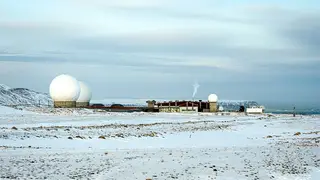
President Trump announced two major military bases in Greenland as part of an amended defense agreement with Denmark. The deal permits upgrades at Pituffik Space Base and new defense sites at Narsarsuaq and Mestersvig, along with broad land, air, and sea access. A retired Army officer warns that Arctic conditions require specialized equipment and preparation.
The amended 1951 defense pact would let Washington upgrade Pituffik Space Base and open defense sites at Narsarsuaq and Mestersvig. It also provides wide land, air, and sea access, including submerged transit for U.S. public vessels in Greenland's territorial waters. Any future independent Greenland would be required to stay in NATO.
The author, a retired Army officer, spent four years in Alaska. During Exercise Brim Frost '89, about 26,000 U.S. and Canadian troops trained in extreme cold; temperatures reached minus 76 degrees, causing over 250 cold-weather injuries, including 88 frostbite cases. Fuel, batteries, lubricants, weapons, and vehicles can fail in such conditions.
The expanded U.S. presence could affect military personnel and their families, Greenlandic communities near new sites, and NATO partners watching Arctic security. It may increase demand for cold-weather training, equipment, infrastructure, and environmental safeguards. It could also sharpen debate over sovereignty, local consultation, and costs, while potentially strengthening early-warning and missile-defense coverage. How these effects unfold may depend on force levels, timelines, and agreements still unspecified.