GOP Senate Hopes Dim as Polls Slip and Ad Money Shifts
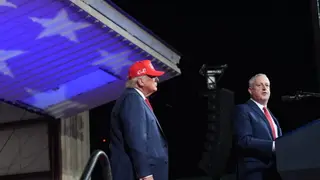
Republicans’ chances of retaining their Senate majority are shrinking as voter anger over gas prices and costs linked to the Iran war weighs on the party. GOP candidates are distancing themselves from President Donald Trump, ad reservations are being canceled, and resources are moving into states Republicans had hoped to avoid defending. In Georgia, the Senate race was rated likely Democratic, while a super PAC canceled $6.5 million in North Carolina backing Michael Whatley, who trails Roy Cooper.
Republicans planned to compete in Georgia, North Carolina, and Maine while defending their own seats. Now Georgia leans Democratic, and a super PAC canceled $6.5 million in North Carolina, where Michael Whatley trails Roy Cooper. GOP candidates are distancing themselves from President Trump as ad reservations are scrapped and money shifts to red states.
In Maine, Susan Collins and Troy Jackson are nearly tied; Collins denies allegations from a ProPublica report about a pay-to-play scheme. Senator John Kennedy said voters are upset over living costs and confused about Iran, calling the election close.
The shrinking Republican Senate map could affect voters in battleground and red states through heavier campaign advertising, shifting candidate messages, and altered expectations about which party controls the chamber. If majority prospects change, legislative priorities and oversight may shift, while candidates may distance themselves from national figures. Local media markets and interest groups may see spending move elsewhere, changing which races receive attention. This may influence turnout and how voters assess economic and foreign policy concerns.