Thermal Images Expose Unequal Toll of Extreme Heat in Europe
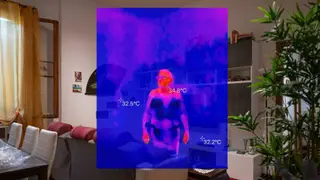
Europe endured another summer of extreme heat that killed at least 30,000 people, with the toll expected to rise. A photographer used thermal imaging in Bologna to show how heat exposure differs by housing, work, and social circumstance. The article highlights that poor, elderly, young, and medically vulnerable people face the greatest risks.
Europe’s heat killed at least 30,000 people, with the toll expected to rise. A 2024 UN report estimated about 175,000 annual heat-related deaths across Europe, and EU deaths surpassed 60,000 in 2022 and 2024. Starting in late May, repeated waves damaged crops and vineyards, buckled rail tracks, dried rivers and lakes, and left forests tinder-dry.
In Bologna, thermal images by Michele Lapini showed unequal exposure. A meteorologist who invested in efficiency and renewables recorded about 70°F, while a metalworker renting on the same floor without cooling saw above 90°F. A public square stayed 93–103°F at 9:28 p.m. An 82-year-old barred from installing air conditioning faced roughly 90°F indoors at 2:15 p.m.
The story may sharpen public awareness that extreme heat is not evenly felt. Older adults, young children, renters, outdoor and manual workers, and people with medical conditions could face greater danger when cooling, insulation, or shade is unavailable. Thermal images may help city officials, landlords, and employers see where targeted protections—such as heat plans, housing upgrades, or work breaks—could matter most. Its impact may depend on whether such evidence translates into practical local measures rather than remaining a seasonal warning.