Judge lets Red Cat pursue trade secret suit against former Teal Drones CEO
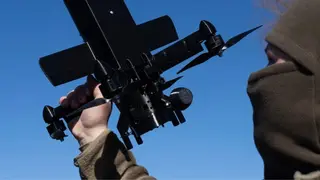
A federal judge declined to dismiss most trade secret misappropriation claims brought by Red Cat Holdings against its former chief technology officer. George Matus, who also led Red Cat’s Teal Drones subsidiary, left two years ago and co-founded Vector Defense, which Red Cat describes as a rival. Senior U.S. District Judge Ted Stewart allowed the Utah military drone maker’s case to move forward.
Senior U.S. District Judge Ted Stewart, a Clinton appointee, let most of Red Cat Holdings’ case proceed. The suit targets George Matus, once Red Cat’s chief technology officer and CEO of its Teal Drones subsidiary, and Vector Defense, the company he helped start after leaving about two years earlier.
Stewart had earlier refused a preliminary injunction after finding no showing of irreparable harm. Now, accepting the complaint’s allegations as true, he found enough plausibility. He kept a noncompete-related contract claim, a fiduciary duty claim, and a Computer Fraud and Abuse Act claim, but rejected a non-solicitation claim for lacking details about roughly nine engineers.
The ruling may shape how military-drone firms and their workers view mobility and confidentiality. It could encourage employers to document trade-secret protections and noncompete terms, while former executives and engineers may face more caution when launching ventures. Investors and defense contractors could watch for legal risk affecting partnerships. Because the case remains at pleading stage, actual effects depend on later evidence and rulings.