Smokepub Smokery Combines Wood Smoking and Food Dehydration in One Countertop Appliance
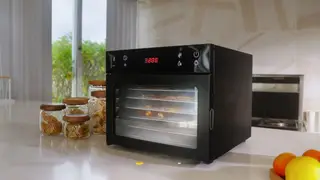
Smokepub has introduced the Smokery, a compact indoor appliance that combines real wood smoking with precision dehydration capabilities in a single unit. The device uses electric-powered wood pellets to generate concentrated smoke while allowing users to dehydrate fruits, vegetables, herbs, and prepare smoked jerky with temperature controls ranging from 30 to 90 degrees Celsius. Available for preorder at $159, the Smokery eliminates the need for separate outdoor grilling equipment and can operate for up to 72 hours with various preset cooking modes.
The Smokery addresses a common frustration for home cooks: the inconvenience of managing separate smoking and dehydration equipment, particularly when weather threatens outdoor setups. By consolidating both functions into a single countertop device, the appliance targets users seeking indoor food preparation without sacrificing authentic wood-fired flavor. The unit's electric pellet ignition system distinguishes it from traditional charcoal or gas-based smokers, offering cleaner operation suitable for kitchen environments.
The device's versatility extends beyond jerky production. Its three operational modes—pure dehydration, smoke-only, and combined smoking with dehydration—enable preparation of diverse foods from preserved fruits and herbs to smoked cheeses and salmon. The 72-hour runtime capacity and six-layer tray system allow batch processing of substantial quantities, potentially appealing to meal-prep enthusiasts and small-scale food preservation hobbyists.
The Smokery could reshape home food preparation habits by making gourmet smoking and dehydration accessible to apartment dwellers and those with limited outdoor space. This democratization may increase consumer interest in food preservation techniques and artisanal snack creation. However, the appliance's actual market impact depends on real-world performance, customer satisfaction, and whether the $159 entry price remains competitive as production scales. Early adopters' experiences will likely determine broader adoption among lifestyle-focused home cooks.