Komodo Dragons: Nature's Most Formidable Reptile Predators
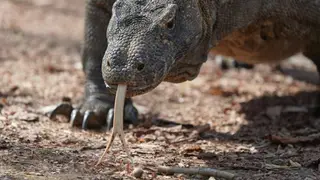
The Komodo dragon is the world's largest living lizard, exceeding 10 feet in length and weighing nearly 200 pounds, with muscular bodies equipped with powerful claws, serrated teeth, and venom glands. Native to Indonesian islands, these apex land predators can detect food from great distances and possess remarkable capabilities including hunting large mammals, swimming between islands, and reproducing without male mates. Their prehistoric appearance and formidable physical attributes make them extraordinary examples of reptilian evolution.
The Komodo dragon represents an exceptional case study in reptilian adaptation and predatory specialization. These Indonesian natives possess multiple interconnected hunting mechanisms: a sophisticated olfactory system using their forked tongue and Jacobson's organ allows detection of prey at considerable distances, while their physical structure—muscular limbs with curved claws, continuous tooth replacement, and natural bone-reinforced armor—enables successful capture and consumption of large mammals. Their capacity for island-to-island swimming and parthenogenesis (asexual reproduction) further demonstrates evolutionary flexibility rarely seen in large predators.
Public fascination with Komodo dragons may influence wildlife tourism and conservation priorities in Indonesian ecosystems. Educational content about these predators could shape scientific interest in herpetology and reptilian biology among younger audiences. Understanding their unique biological features may inform broader discussions about apex predator protection, habitat preservation in biodiversity hotspots, and the evolutionary advantages of specialized sensory systems. Such coverage could potentially affect visitor behavior, funding allocation for research programs, and policy considerations regarding endangered species management.