Microsoft Consolidates Copilot Features into Unified AI Platform with Autopilot Automation
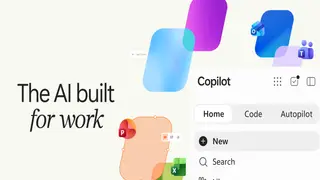
Microsoft has transformed Copilot into an integrated platform organizing functionality around three pillars: Home, Code, and Autopilot. The new Autopilot feature functions as a digital teammate capable of automating recurring workplace tasks and follow-ups without manual intervention. This redesign merges chat interfaces, coding assistance, and agentic capabilities into a single unified application.
Microsoft's redesign consolidates previously fragmented Copilot offerings into a cohesive ecosystem designed to streamline workplace efficiency. The Home section aggregates communication and task management by combining chat functionality with a dashboard that centralizes meeting requests and Teams notifications. The Code section enables users to generate applications and data visualization tools within a secure sandbox environment, allowing these creations to be deployed as cloud-hosted solutions accessible across organizations.
The Autopilot component represents the most significant functional shift, operating as an autonomous agent rather than a reactive tool. Running continuously on dedicated cloud infrastructure, it monitors workflow patterns, manages deadline tracking, and executes routine administrative tasks without requiring explicit user prompts. The system incorporates enterprise-grade security measures including permission management and audit trails, allowing organizations to define the scope of automation while maintaining governance oversight.
This consolidation could reshape workplace productivity dynamics by reducing time spent on repetitive administrative work, potentially benefiting knowledge workers across various industries. Organizations may experience improved task coordination and faster project turnaround times. However, the shift toward autonomous agents raises questions about workforce implications—some roles centered on routine task management could face disruption. The success of this platform may depend on how effectively enterprises balance automation benefits with employee retraining needs and how transparently the system operates within organizational structures.