Ancient Babylonian Schools Integrated Religious Knowledge Into Core Curriculum
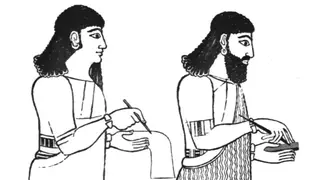
Research into Neo-Babylonian and Late Babylonian education reveals that religious instruction was embedded throughout the scribal training process rather than taught as a standalone subject. Students absorbed knowledge about deities, temples, and rituals while developing their writing abilities through copying texts and completing exercises. This integrated pedagogical approach demonstrates how ancient Mesopotamian societies transmitted religious and cultural values through practical academic training.
Ancient Mesopotamian scribal academies operated under an educational model that fused religious content with literacy instruction. Rather than compartmentalizing subjects, teachers embedded theological material directly into writing exercises, allowing students to develop practical scribal skills while simultaneously absorbing knowledge of the divine realm, sacred institutions, and ceremonial practices central to Babylonian society.
This integrated approach reveals how ancient civilizations used education as a vehicle for cultural transmission. By coupling religious knowledge with technical training in cuneiform writing, Mesopotamian schools ensured that each new generation of scribes internalized both professional competencies and the spiritual worldview underpinning their society's institutions and governance structures.
Understanding how ancient societies organized knowledge transmission may inform modern discussions about curriculum design and interdisciplinary learning. Scholars of educational history and religious studies could find analytical value in examining how practical and philosophical instruction were unified in pre-classical systems. The findings might also influence broader interpretations of how scribal training shaped administrative and intellectual culture throughout Mesopotamia, potentially reshaping assumptions about knowledge specialization in ancient civilizations.