American Airlines Launches Smart Seat Preference Tool That Automatically Upgrades Seats
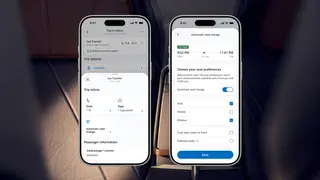
American Airlines introduced a new app feature allowing AAdvantage members to select preferred seat characteristics—such as window, aisle, or middle positions—that automatically moves them when matching seats become available without extra charges. The feature eliminates the need for customers to repeatedly check seat maps before departure, providing notifications when their preferred seat opens up within the same cabin class. The innovation was developed through American's ADEPT program, which trains early-career technology talent to solve real customer problems.
American's new capability addresses a frequent frustration for frequent flyers: the tedious process of manually reviewing available seating multiple times before a flight. Once AAdvantage members establish their preferences during booking—whether they favor window seats, aisle positions, or other characteristics—the system continuously scans for matching openings and reassigns them automatically at no additional cost. The feature operates within a 24-hour pre-departure window and only applies to seats within the same cabin class as the original reservation.
The tool emerged from American's ADEPT initiative, a structured two-year program focused on recruiting and developing junior technology professionals. Rather than building technology first and seeking applications later, the program identified a genuine customer pain point and tasked emerging technologists with designing a practical solution. The development process incorporated AI-assisted tools to accelerate design and implementation, allowing the team to move from initial concept through delivery more efficiently.
This innovation could modestly improve the booking experience for frequent flyers while reducing app engagement friction—customers need not repeatedly visit seat maps. However, the benefit remains largely confined to AAdvantage members booking individual reservations, potentially widening service gaps between elite and casual travelers. From an operational perspective, automated seat reassignment may help airlines optimize cabin configurations and seat utilization. The broader implications depend on whether similar personalization features become industry standard, potentially reshaping passenger expectations around service customization and automation in travel.