Iran's military makes unprecedented direct appeal to American voters
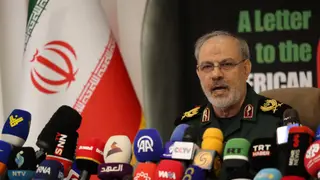
Iran's Islamic Revolutionary Guard Corps released an open letter directly addressing the American people, calling for the Trump administration to be removed from power and accusing it of misleading citizens about the ongoing US-Israel war against Iran. The letter, released five weeks before US midterm elections, argues that Iran has defeated the US militarily and that Washington has failed to achieve any of its stated objectives, including limiting Iran's nuclear program. The IRGC attempted to draw parallels between the grievances of Iranian and American citizens against their respective governments.
The IRGC's letter represents an escalation in Iran's information campaign, which has previously employed digital media tactics including AI-generated content in English to shape American public opinion about the conflict. The military body framed its message to distinguish between American citizens and their government, characterizing both nations' populations as suffering under their respective leaderships. The timing coincided with the seven-month anniversary of active hostilities and preceded midterm voting by five weeks.
The letter specifically challenged Trump administration claims regarding nuclear proliferation, the Strait of Hormuz control, and military effectiveness. Iranian officials contended that despite extensive bombing campaigns, the U.S. and Israel failed their declared military objectives while causing damage primarily to buildings and defensive installations rather than achieving strategic goals.
This direct appeal to American voters by a foreign military organization could influence public discourse around election timing and foreign interference in domestic politics. The letter may affect voter perceptions of the ongoing conflict and administration credibility, though its persuasive impact remains uncertain given source skepticism. The incident raises questions about information warfare tactics and how citizens evaluate competing claims during wartime, potentially affecting support for current foreign policy among segments of the American electorate.