Valve's Premium VR Headset Faces Skepticism Over Price and Software Library
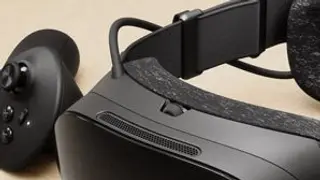
Valve's entry into the wireless VR market with the Steam Frame carries a hefty price tag of $1,059 for the base model, significantly exceeding competitor offerings from Meta and others at roughly triple the cost. Despite impressive technical specifications, the device lacks compelling new software exclusives, relying instead on older titles like Half-Life: Alyx from 2020 and ports of existing games like Moss Book 2, whose developer recently closed. The expensive barrier to entry combined with limited new content raises questions about whether the premium hardware can attract mainstream adoption in a market already served by more affordable alternatives.
Valve's Steam Frame enters a competitive landscape where more affordable options already dominate consumer choice. Meta's lightweight VR glasses reportedly cost less than a quarter of the Steam Frame's price, while the Pico 4 and Quest 3S models have established themselves as accessible entry points for mainstream users. The timing of the launch is particularly challenging, as major game studios have largely withdrawn from VR development, leaving the platform dependent on indie developers and older titles for its software ecosystem.
The reliance on legacy content underscores a deeper industry challenge. Half-Life: Alyx, despite critical acclaim, launched six years prior and its modding community has stalled due to insufficient developer support. Even prominent titles featured on the device's storefront, such as Moss Book 2, have failed to generate sufficient commercial success to sustain their developers, with Polyarc closing after releasing a non-VR alternative.
The Steam Frame's commercial viability may significantly influence corporate investment in VR technology over the coming years. If premium-priced hardware fails to attract sufficient adoption, major publishers could further reduce development resources for the platform, potentially creating a self-reinforcing decline. Conversely, enthusiast adoption might sustain niche development communities. Consumer choice between affordable and premium VR options will likely shape whether the technology evolves as mainstream entertainment or remains confined to specialized markets with dedicated budgets.