Supreme Court Asked to Uphold Gender-Affirming Care Restrictions in Federal Prisons
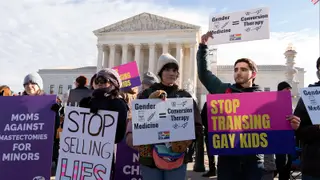
The Trump administration sought an emergency Supreme Court order to enforce restrictions on gender-affirming medical care in federal prisons after lower courts blocked the policy. The restrictions would halt surgeries, hormone therapy, and social accommodations while permitting mental health support. Federal judges blocked the policy citing concerns about psychological harm, as the Bureau of Prisons previously provided hormone therapy to over 600 inmates.
The Trump administration's request follows a clash between executive authority and judicial oversight over prisoner healthcare policy. President Trump issued an order directing the Bureau of Prisons to cease federal funding for procedures and treatments aimed at gender transition, citing fiscal concerns. The agency had previously administered hormone therapy to over 600 incarcerated individuals, a population the government now argues no longer requires these interventions for medical treatment purposes.
Lower court judges rejected this approach, arguing that abruptly discontinuing established care could produce serious psychological consequences for affected inmates. The judges noted that medical professionals acknowledge gender dysphoria can trigger severe mental health complications including depression and suicidality, raising questions about whether withdrawal of treatment constitutes harm under constitutional protections against cruel punishment.
The outcome could significantly affect healthcare standards in federal correctional facilities and may establish precedent for how courts balance prisoner rights with government policy authority. Incarcerated transgender individuals could face disrupted medical care depending on the Court's ruling, potentially affecting mental health outcomes and litigation standards for custody-related medical decisions. The decision may also influence how lower courts evaluate similar policies across other federal and state institutions managing healthcare for marginalized populations in their custody.