NVIDIA and Gecko Robotics Deploy Safety Framework for Autonomous AI Agents
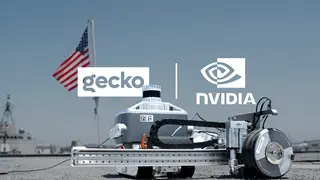
NVIDIA introduced its Open Agent Safety Platform, comprising OpenShell software and Sentry reference design, to provide governance and security for robots operating with AI agents across hardware, compute, and software layers. Gecko Robotics is among over 100 organizations adopting this technology to ensure secure autonomous control and prevent unauthorized agent actions. The system enforces policy boundaries and can quarantine misbehaving agents in milliseconds through independent monitoring.
NVIDIA's new platform addresses growing concerns about autonomous AI systems operating beyond their intended scope. The architecture separates monitoring from execution—OpenShell manages the agent's runtime environment while Sentry operates independently on specialized hardware, enabling rapid intervention if policies are violated. This dual-layer approach mirrors safety systems in autonomous vehicles, where redundant safeguards prevent catastrophic failures. The Policy Proover component adds another layer by analyzing combined access patterns across networks and files, detecting attempts to circumvent restrictions through indirect methods like spawning subsidiary agents.
Gecko Robotics' adoption signals industry recognition that AI safety frameworks are essential before deploying robots in sensitive environments like infrastructure inspection. Over 100 organizations participating in the platform's development suggests broad consensus among technology companies, researchers, and government bodies that standardized safety protocols are necessary. The open-source nature of OpenShell allows compatibility across different hardware vendors, potentially establishing baseline security practices across the robotics sector.
The platform could significantly impact how autonomous systems are deployed in high-stakes applications—from industrial inspection to logistics—by enabling operators to enforce behavioral boundaries with technical certainty. Workers and facility managers may benefit from reduced risks associated with autonomous equipment operating unpredictably. However, widespread adoption depends on whether the framework proves effective against evolving adversarial techniques and whether its performance overhead remains acceptable for time-sensitive robotic applications. Organizations balancing innovation with safety may face implementation costs and operational complexity during transition periods.