Coca-Cola Introduces Seasonal Vanilla Flavor to Capitalize on Festive Shopping Surge
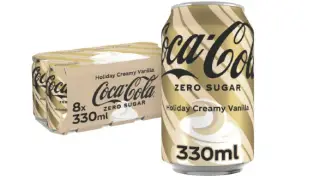
The beverage manufacturer is releasing a limited-edition Holiday Creamy Vanilla variant available in both regular and zero-sugar formulations with festive packaging aimed at capturing holiday season demand. The product comes in multiple formats including cans, bottles, and multipacks, supported by point-of-sale materials for retailers. Marketing executives noted that unplanned festive drink purchases account for over half of seasonal soft drink transactions, making strong in-store visibility critical for driving trial and sales.
Coca-Cola's festive release arrives as the company targets a significant gap in consumer purchasing behavior. According to the beverage maker's analysis, more than half of seasonal soft drink purchases occur on an impulse basis rather than through planned buying decisions. This insight drives the company's emphasis on retail placement and visibility strategies, positioning the product across multiple package sizes—from individual cans to larger bottles designed for group consumption—to capture both spontaneous and occasion-based transactions.
The product rollout includes complementary support infrastructure for retailers, with promotional materials available through the company's trade portal. Both formulations address different consumer preferences, with zero-sugar options expanding the addressable market beyond traditional cola drinkers seeking reduced calorie alternatives during the holiday season.
The product release may influence retail shelf allocation decisions during a peak shopping period, potentially affecting visibility for competing beverages. Consumers could experience expanded flavor choice in a mature category, though the limited-time availability may create urgency-driven purchasing patterns. Retailers benefit from point-of-sale support and guidance on optimal product placement, which could improve inventory management efficiency during high-demand months. The emphasis on unplanned purchasing suggests the company's strategy aims to influence in-store decision-making rather than pre-season planning.