White House Move to Ban Federal Funds for Voter Registration Could Limit Ballot Access for Disabled Americans
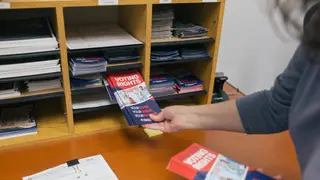
The Office of Management and Budget has proposed a rule that would prohibit the use of federal grant money for voter registration drives, affecting organizations like Disability Rights Nebraska that help elderly and disabled citizens participate in elections. The proposal, led by OMB Director Russell Vought, is part of the Trump administration's efforts to restrict voting access across the country. Advocates argue the measure would prevent vulnerable populations who lack internet access or transportation from registering to vote.
The proposed regulation would restrict how organizations use federal grants they receive, preventing them from dedicating any portion of those funds toward voter registration activities. This affects nonprofits across the country that currently conduct registration outreach in communities with limited digital access or mobility challenges. Disability Rights Nebraska exemplifies such organizations—its staff members integrate voter registration into their regular work investigating care facilities and advocating for vulnerable populations.
The administration has pursued multiple complementary strategies to reshape voting procedures. These include requiring citizenship documentation at registration, restricting registration activities at citizenship ceremonies and college campuses, and reversing prior executive directives that encouraged federal agencies to facilitate voter participation among historically marginalized groups.
The proposal could significantly reduce registration opportunities for Americans with disabilities, elderly citizens, and others lacking reliable internet access or transportation. By eliminating federal funding for registration drives, the rule may disproportionately affect populations already facing structural barriers to political participation. The measure's broader impact depends on whether it becomes final policy and how many organizations currently rely on such federal grants for outreach work. States and advocacy groups may face increased pressure to fund these services independently or abandon them entirely.