White House Originally Sought Near-Total Ban on Mail Voting Before Supreme Court Intervention
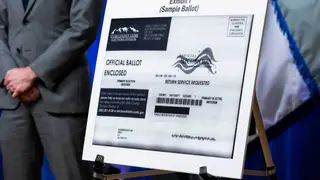
ProPublica's investigation reveals the Trump administration initially proposed requiring all mail ballots to be delivered exclusively through certified mail, a plan so disruptive that Postal Service officials objected it would be impossible to execute. After abandoning that idea, the White House pursued an alternative executive order in March that would have given postal workers authority to decide which ballots get delivered, with Commerce Secretary Howard Lutnick overseeing implementation despite lacking formal Postal Service oversight. The Supreme Court blocked the executive order earlier this month, preventing potential chaos in the midterm elections.
The Trump administration's mail voting restrictions evolved through multiple iterations over nearly a year. An initial proposal requiring certified mail delivery—which would have necessitated in-person signatures—proved administratively unfeasible according to Postal Service leadership and was ultimately scrapped. The subsequent executive order, unveiled in March without consulting Postal Service lawyers, delegated ballot-processing decisions to individual postal workers while oddly placing oversight authority with Commerce Secretary Howard Lutnick, who has no statutory connection to the agency.
Postal Service leadership faced a difficult political position internally. Board members, constrained by the agency's bipartisan governance structure designed to insulate it from White House pressure, reportedly hesitated to directly oppose the order fearing potential retaliation through removal efforts. They ultimately chose to let the judicial branch intervene rather than engage in direct institutional confrontation.
This development could significantly affect public trust in mail voting procedures and administrative independence. The episode raises questions about whether executive attempts to restructure voting processes through appointed officials lacking relevant expertise might undermine operational capacity during elections. If replicated in other policy areas, such circumvention of agency expertise and governance structures could impact the effective implementation of government functions, potentially affecting voter access and election administration efficiency across future cycles.