Making Halloween Safe: The Teal Pumpkin Project for Kids with Food Allergies
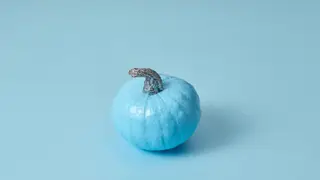
The Teal Pumpkin Project encourages households to display teal pumpkins and offer non-food treats on Halloween, creating inclusive options for the approximately one in 13 children with food allergies. Starting in 2014, this awareness campaign has grown into a nationwide movement supported by major retailers and organizations like FARE. Beyond allergies, teal pumpkins also welcome children with celiac disease, diabetes, and other dietary restrictions.
The Teal Pumpkin Project emerged from a grassroots initiative in Tennessee in 2014 and has since evolved into a coordinated national campaign with significant retail participation. Food allergies represent a substantial public health consideration, affecting approximately 6 million American children across diverse allergens including peanuts, tree nuts, and common proteins. The initiative has broadened to encompass children managing multiple conditions beyond allergies, including celiac disease and diabetes, recognizing that dietary restrictions affect trick-or-treating experiences across several medical populations.
Participation requires minimal effort and cost, typically ranging from 10 to 25 cents per non-food item when purchased in bulk. FARE's digital mapping system enables families to identify participating households in advance, reducing stress around Halloween evening and allowing strategic route planning for parents managing children's dietary needs.
The Teal Pumpkin Project may influence Halloween inclusivity by reducing social isolation for children with dietary restrictions. Widespread participation could help normalize medical accommodations in community celebrations, potentially shifting family holiday expectations. The initiative's accessibility—requiring minimal expense and time commitment—may encourage broader household participation than more complex accommodation programs. Conversely, impact could remain limited to communities with existing awareness of the campaign, potentially creating uneven access to safe Halloween experiences across different regions or socioeconomic groups.