Sommelier Taylor Schmidt Johnson Brings Farm-to-Glass Philosophy to Echelon Kitchen and Bar
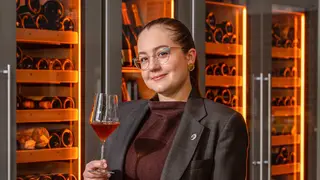
Taylor Schmidt Johnson, Wine Director and Lead Sommelier at Echelon Kitchen and Bar, curates wine selections emphasizing small producers and sustainable farming practices aligned with the restaurant's seasonal menus. Having earned her Level 2 Sommelier Certification and worked her way up through Detroit's hospitality scene, Johnson believes exceptional wine experiences begin with understanding customers' preferences and maintaining transparency. Her approach to making wine approachable has contributed to the restaurant's Wine Spectator Award of Excellence.
Taylor Schmidt Johnson's career trajectory reflects a nontraditional entry into wine expertise. After initially pursuing visual arts education, she transitioned into hospitality work in Michigan, eventually earning professional sommelier credentials through the Court of Master Sommeliers Americas. Her appointment as Wine Director at Echelon coincided with the restaurant's 2025 launch, positioning her to shape a beverage program that would achieve Wine Spectator recognition within its first year of operation.
Johnson's curation strategy prioritizes the relationship between agricultural practices and final product quality. By aligning wine selections with the restaurant's seasonal, Michigan-sourced ingredients, she creates thematic coherence across the dining experience. Her emphasis on smaller producers—particularly those employing sustainable and biodynamic methods—reflects broader industry trends toward transparency in food and beverage sourcing.
This story could influence how diners approach wine selection by normalizing conversation-based sommelier interactions over intimidation-based purchasing. Johnson's emphasis on customer preferences and transparency may encourage restaurants to prioritize educational accessibility in their beverage programs. Additionally, her Women in Wine event may contribute to broader recognition of female winemakers and vineyard operators, potentially affecting industry visibility and economic opportunities for women producers. These approaches could gradually shift dining culture toward more inclusive and sustainable hospitality practices.