Amazon commits $20 million to Colorado River conservation while withholding its own water consumption data
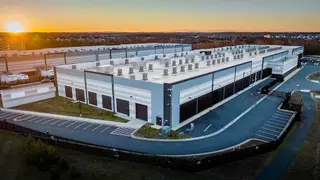
Amazon has pledged $20 million to launch the Colorado River Basin Collaborative, aiming to raise $100 million over two years for water conservation projects including leak repairs and irrigation improvements. Despite its commitment to conservation initiatives, Amazon has not disclosed how much water its data centers and warehouses withdraw from the same basin it now funds for protection. The company provides only limited global data center water withdrawal figures while declining to release region-specific or basin-level consumption details.
Amazon's Colorado River Basin Collaborative aims to mobilize corporate funding for water infrastructure improvements across a region facing severe scarcity. The company's initial projects target specific conservation challenges: leak detection in urban water systems and precision agriculture monitoring on tribal lands near Lake Mead. However, the $20 million commitment addresses only a fraction of the basin's estimated annual supply-demand gap of approximately 1 trillion gallons.
The transparency gap centers on Amazon's operational water consumption. While the company provides limited global data center figures to the public, it reportedly shares region-specific water withdrawal data with paying AWS customers. This selective disclosure prevents independent assessment of whether Amazon's operations withdraw more water from the Colorado Basin than it funds for conservation, complicating efforts to evaluate the net environmental impact of its involvement.
Amazon's approach may influence how tech companies balance environmental commitments with operational transparency. If similar corporate conservation pledges become decoupled from detailed water-use disclosures, stakeholders could struggle to assess genuine net conservation benefits. The model could affect public trust in corporate sustainability claims across the tech sector. Conversely, the funding may accelerate needed infrastructure repairs regardless of Amazon's own consumption patterns, potentially delivering real conservation gains for millions of basin residents facing water scarcity.