NASA to Broadcast SpaceX Crew-13 Launch to International Space Station
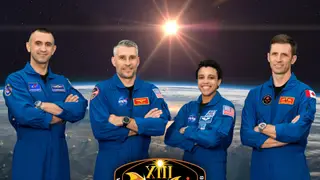
NASA will livestream the SpaceX Crew-13 mission launching October 1 at 11:10 a.m. EDT from Florida, carrying two NASA astronauts, a Canadian Space Agency astronaut, and a Russian cosmonaut to the International Space Station for a long-duration science mission. The Dragon spacecraft will dock at the station approximately seven hours after launch, with NASA providing continuous coverage through multiple platforms. A prelaunch news conference is scheduled for September 30 with NASA, SpaceX, and international partner officials.
The Crew-13 mission represents a continuation of NASA's partnership model for space station operations, bringing together personnel from three nations and their respective space agencies. The four-person crew includes two American astronauts, one Canadian, and one Russian cosmonaut, reflecting the collaborative international framework that has defined International Space Station operations for decades. This mission demonstrates the ongoing commitment to long-duration human spaceflight research despite geopolitical complexities.
The Dragon spacecraft's planned arrival time would set a new speed record for U.S. vehicles reaching the station, completing the journey in under eight hours. This efficiency improvement reflects technological advances in SpaceX's approach to orbital rendezvous and docking procedures developed through previous crew rotation missions.
The successful execution of international crew rotations could reinforce public confidence in sustained human spaceflight capabilities and orbital science operations. International participation may strengthen diplomatic relationships through shared scientific objectives, potentially influencing how nations cooperate on space exploration in coming years. For the space industry, continued successful commercial crew missions may encourage investment in similar public-private partnerships. The broader research conducted aboard the station could yield scientific advances affecting fields from medicine to materials science, with benefits that may eventually reach terrestrial applications.