OpenAI Releases GPT-6.1 Sol, Creating Competitive Tension Within Its Own Product Portfolio
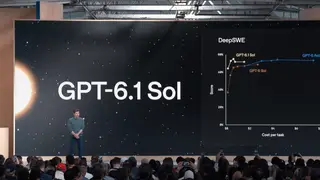
OpenAI introduced GPT-6.1 Sol, a new iteration released just one week after launching GPT-6 Sol, raising questions about product positioning and cannibalization within its model lineup. The rapid succession of releases suggests OpenAI is prioritizing iterative improvements and market responsiveness. The newer model appears to offer competitive advantages that potentially undermine the company's flagship offerings.
OpenAI's strategy of releasing GPT-6.1 Sol just seven days after launching GPT-6 Sol signals an aggressive approach to product iteration. This rapid cadence reflects the competitive pressures within the artificial intelligence sector, where maintaining technological leadership requires constant refinement and deployment of improvements. The proximity of these releases raises internal business challenges around how different model versions are positioned and marketed to users and enterprise clients.
The successive releases demonstrate OpenAI's commitment to responsiveness in addressing performance gaps and user feedback. However, this approach introduces complexities in product management, as newer versions with enhanced capabilities may discourage adoption of recently released predecessors, potentially creating inefficiencies in the company's go-to-market strategy and customer upgrade paths.
The rapid release cycle could affect developers and enterprises that depend on model stability for planning investments and infrastructure decisions. Frequent iterations may accelerate AI capability advancement across industries, potentially benefiting sectors relying on language models. However, the compressed timeline might also create confusion about which version to adopt, and could complicate long-term support commitments. Market observers may scrutinize whether this strategy reflects genuine technical progress or reflects concerns about competitive pressure from other AI providers.