Noise Enters Premium Home Theater Market With 5.2.4-Channel Dolby Atmos System
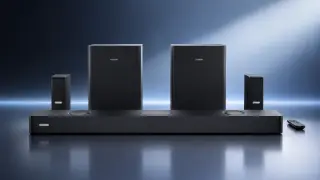
Noise has introduced the Homestage 5.2.4, a home theater system featuring a 5.2.4-channel configuration with 700W peak output and True Dolby Atmos certification. The system incorporates dual 6.5-inch subwoofers, wireless rear satellite speakers, and dedicated height channels to deliver surround sound from multiple positions in the room. Connectivity options include HDMI eARC/ARC, optical, USB, AUX, and Bluetooth 5.3, available in black and silver finishes.
The Noise Homestage 5.2.4 represents the company's push into higher-end home entertainment, moving beyond entry-level audio products. The system's architecture separates distinct audio responsibilities across multiple components: the soundbar handles frontal dialogue and effects, dedicated subwoofers manage bass frequencies, rear satellites provide ambient surround elements, and integrated height drivers create overhead spatial effects required for immersive formats.
A key consideration for potential buyers involves the practical setup requirements. While rear speakers connect wirelessly to reduce cable clutter, the subwoofers and satellites still require power connections, limiting placement flexibility. Additionally, the up-firing height channels depend heavily on room acoustics—specifically ceiling reflectivity and clearance—meaning real-world performance will vary significantly based on installation conditions rather than specifications alone.
This product launch may influence how mainstream consumers approach home theater purchases by making Dolby Atmos systems more accessible at competitive price points. The entry of established consumer electronics brands into premium audio could accelerate market adoption of immersive sound formats. However, the system's reliance on specific room conditions and its distinction between peak versus RMS power ratings suggests consumers would benefit from informed purchasing decisions rather than specifications-based comparisons alone, potentially affecting retail expectations for product education and realistic performance claims in the home audio sector.