Supreme Court to Review Challenge to Deportations to Non-Designated Countries
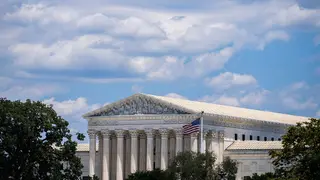
The Supreme Court has scheduled oral arguments for December on whether the Trump administration can legally deport immigrants to countries other than those specified in their removal orders. The justices granted the administration's request to allow third-country removals to continue while the case proceeds, with the three Democratic appointees dissenting from this decision. The case stems from an executive order directing aggressive removal of undocumented immigrants, with procedural requirements added by the Department of Homeland Security to assess torture risks.
The legal dispute centers on whether immigration authorities can send deportable individuals to countries not specified in their original removal orders. The Trump administration's January 2025 executive order prompted the Department of Homeland Security to develop procedures for assessing whether immigrants facing deportation could be redirected to alternative nations, particularly when returning to their designated home countries might expose them to torture. A federal judge in Massachusetts blocked this practice, requiring detailed written notice and opportunities for immigrants to contest such relocations before removal occurs.
The Supreme Court has repeatedly intervened to allow the administration to continue third-country removals while the case proceeds through the judicial system. The justices granted stays of the lower court's injunction twice, with the same three Democratic appointees dissenting each time, indicating fundamental disagreement over the administration's legal authority and procedural protections.
This case may significantly affect thousands of immigrants with deportation orders, potentially determining whether they receive procedural protections before being sent to nations other than their countries of origin. The outcome could shape how thoroughly authorities must assess torture risks and document removal destinations. Immigration advocates and legal scholars may argue the decision affects due process rights, while administration supporters could view it as clarifying enforcement authority. The ruling may influence future immigration enforcement practices and establish precedent for administrative procedures in removal cases.