Two Decades of Constitutional Interpretation Reshape Legal Landscape
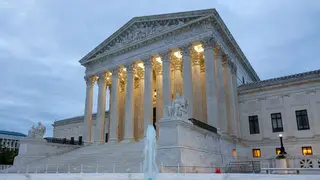
A casebook series traces major shifts in constitutional law since 2008, including reversals on abortion rights, affirmative action, religious establishment tests, and independent agency protections. The Supreme Court's composition has changed dramatically, with nearly complete turnover since 2005, leading to significant doctrinal developments particularly regarding the Second Amendment. The evolving caseload reflects how courts reassess which constitutional issues merit continued attention as jurisprudence develops.
The Supreme Court has experienced unprecedented personnel turnover in recent years, with nearly the entire bench replaced since the mid-2000s. This staffing shift has coincided with major doctrinal reversals across multiple constitutional domains. A legal education framework used to train lawyers—the constitutional casebook—demonstrates these changes through its evolving content. The authors of one widely-used casebook have tracked these developments across five editions published between 2008 and the present, noting that constitutional principles lawyers learned just two decades ago no longer reflect current doctrine.
These constitutional shifts have broad implications for American institutions and individual rights. Legal professionals may find their foundational training increasingly misaligned with current law, potentially affecting litigation strategy and client counseling. Educational institutions face challenges in teaching constitutional law when landmark precedents are overturned. Citizens may experience altered rights related to reproductive autonomy, educational access, religious liberty, and Second Amendment protections. The changes could influence how lower courts interpret constitutional questions and which legal challenges emerge in coming years as parties test newly developed doctrines.