Defense Industry Pivots Focus from Drone Innovation to Mass Production and Supply Chain Reliability
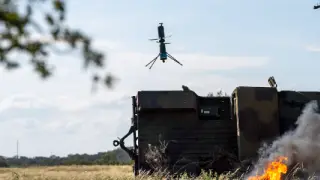
As the Pentagon's Drone Dominance program expands, unmanned aircraft manufacturers are shifting emphasis from rapid technological development to achieving repeatable, standardized production at scale. Industry leaders argue that manufacturing consistency and supply chain sustainability are becoming as critical as innovation for achieving fleet-level combat capability. The transition reflects lessons learned from Ukraine's conflict, where industrial adaptation to evolving battlefield requirements has proven essential.
The unmanned aircraft sector has traditionally operated with an innovation-first model optimized for developing cutting-edge designs rather than manufacturing them reliably at large volumes. Robinson Unmanned's parent company, Robinson Helicopter, brings decades of rotorcraft production expertise to address this gap, operating vertically integrated U.S. manufacturing facilities with FAA certification standards. This manufacturing-focused approach represents a deliberate recalibration of industry priorities away from prototype development toward systems capable of consistent, repeatable production across multiple platforms serving different tactical needs.
This shift toward manufacturing standardization and supply chain resilience could significantly affect Pentagon procurement timelines and defense budgets, potentially accelerating fielding of unmanned systems across military units. Manufacturers investing in production infrastructure may gain competitive advantages in defense contracts, while the emphasis on repeatability rather than innovation could reshape how defense dollars are allocated between R&D and industrial capacity. The approach may also influence allied defense procurement strategies, as supply chain reliability becomes competitive currency in international defense relationships.