Antarctic sea ice reaches third-lowest winter peak as climate concerns mount
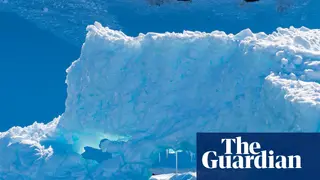
Antarctica's winter sea ice peaked at its third-lowest level in recorded history, falling approximately one million square kilometers below the long-term average, according to satellite data tracked since 1979. The four lowest winter peaks have all occurred within the past four years, raising alarms about the role of global heating in driving sea ice losses. Scientists emphasize the significance of declining sea ice for planetary climate regulation and marine ecosystems.
Satellite monitoring since 1979 has documented a dramatic shift in Antarctic sea ice patterns, with the winter maximum now consistently failing to reach historical averages. This year's peak occurred on September 14 at approximately 17.59 million square kilometers, marking a departure from the continent's typical seasonal cycle where ice expands to above 17 million square kilometers in winter months and shrinks below 2 million in summer.
Scientists attribute recent declines to multiple factors operating simultaneously. Tropical climate patterns such as El Niño alter wind systems around Antarctica, intensifying storm activity that disrupts ice formation. Additionally, warming temperatures have created regional anomalies—including a June heatwave across the Antarctic Peninsula with temperatures 20 degrees Celsius above normal—that compromise ice stability before the winter season fully develops.
Declining Antarctic sea ice could affect global climate regulation, as sea ice reflects solar radiation and influences ocean circulation patterns critical to planetary heat distribution. Marine ecosystems dependent on ice-based food webs may experience disruption, potentially affecting fish stocks and species that support commercial fishing industries. Coastal communities and nations with Antarctic interests could face environmental and economic consequences. The acceleration of these changes within four years may warrant increased monitoring and climate adaptation planning by governments and international organizations.