Judge Recommends Dismissal of Charges Against Jacksonville Arts Educator
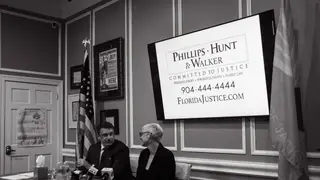
An administrative law judge has recommended dismissing disciplinary charges against Hope McMath, a Jacksonville educator and artist who faced sanctions over controversial social media posts made on her personal account. The judge determined the state failed to present sufficient evidence that McMath's personal speech brought discredit to the teaching profession or impaired her ability to serve the community. The ruling centers on broader questions about how far government employers can go in disciplining educators for political speech made outside the classroom.
McMath, an arts educator who previously led the Cummer Museum of Art & Gardens, was suspended from her position teaching AP Art History at Douglas Anderson School of the Arts in September 2025 following backlash to her personal social media commentary. State regulators subsequently initiated formal proceedings against her teaching license, including allegations of moral misconduct. The administrative law judge found the evidence presented by state prosecutors insufficient to meet the legal threshold required for disciplinary action.
The case now faces dual legal processes moving forward. Florida's Education Practices Commission must decide whether to formally adopt the judge's recommendation and close the administrative matter. Separately, McMath has filed a federal civil rights lawsuit against the school district and board members, alleging constitutional violations related to her removal and the disciplinary proceedings—a case that operates independently of the state administrative decision.
This ruling could shape how school districts balance professional standards with educators' constitutional protections for off-duty speech. The outcome may influence policies governing what personal conduct or social media activity schools can penalize among teachers. Depending on how the Education Practices Commission and federal courts ultimately resolve the remaining proceedings, the case could establish meaningful precedent about where employer authority ends and employee free speech rights begin for public sector workers in educational settings.