Huawei demonstrates how fifth-generation optical networks accelerate AI deployment across sectors
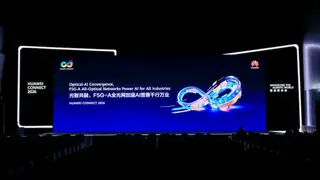
Huawei unveiled new optical network solutions at its annual Connect conference, focusing on the integration of fifth-generation fixed access (F5G-A) all-optical networks with artificial intelligence infrastructure. The company introduced specific products including the OptiXtrans OCS800 optical circuit switch for data centres and an iFTTO solution for AI-enabled campuses that combines sensing, computing and networking capabilities. Huawei reports that over 18,000 campuses worldwide are already deploying its FTTO technology across education, healthcare and hospitality sectors.
Huawei's strategy addresses a fundamental challenge in modern infrastructure: the bandwidth and latency demands created by artificial intelligence systems. The company positions optical networks as foundational to AI deployment, arguing that traditional connectivity alone cannot support the data transfer volumes required by contemporary AI workloads. The OptiXtrans OCS800 represents a specialized tool designed specifically for data centre environments where AI clusters operate, while the iFTTO solution extends these capabilities beyond traditional computing facilities into broader campus and operational settings.
The deployment scale cited—18,000 existing installations across multiple sectors—suggests significant real-world adoption of these technologies. Huawei's examples include predictive maintenance applications, where optical sensing and AI algorithms identify equipment failures before they occur, potentially shifting industrial operations from reactive problem-solving to preventive management models.
These optical-AI convergence solutions could reshape infrastructure investment priorities across sectors dependent on data processing. Organizations in healthcare, education, and manufacturing may face pressure to upgrade network capabilities to support AI applications effectively. The approach could accelerate AI adoption in settings where connectivity previously limited deployment, though implementation costs and technical complexity may create barriers for smaller institutions. Broader implications depend on whether similar solutions from competing vendors emerge and how accessible these technologies become across different economic markets.