Farmland Under Pressure: Investment Firms and Data Centers Compete for Agricultural Land
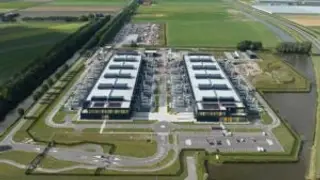
Investment firms and billionaires are increasingly purchasing agricultural land as a wealth protection strategy, with data centers and farmland rental schemes threatening traditional farming operations. The 2024 TOTAL Survey reveals that 87 percent of the more than 2 million farmland landlords are non-operators, collectively earning over $34 billion in annual rent while holding $1.7 trillion in farmland value—up 47 percent since 2014. Farmers are rejecting multimillion-dollar offers from institutional investors, but the emergence of a non-farming rural landlord class signals a fundamental shift in agricultural land ownership patterns.
The farmland investment trend reflects a broader shift in how wealth is being deployed globally. Institutional investors—including pension funds and private equity firms—have dramatically accelerated their agricultural land acquisitions, with holdings growing from $2 billion in 2008 to $16.6 billion by 2024. This capital concentration occurs alongside a decades-long decline in family farming viability, with 159,000 farms disappearing between 2017 and 2022 alone.
Individual investment platforms now allow smaller investors to participate in farmland portfolios, democratizing what was historically a family or local enterprise. The emergence of professional non-farming landlords collecting $34 billion annually in rent represents a fundamental restructuring of agricultural land economics, where ownership is increasingly separated from operational control.
This consolidation pattern could reshape rural economies and food production systems across regions. Farmers may face reduced autonomy and higher operational costs if land rental becomes dominated by absentee investors prioritizing returns over agricultural stability. Food security implications remain uncertain—concentrated non-farming ownership could potentially alter land management practices, investment in soil health, and market competition. Communities dependent on family farming may experience demographic and economic shifts as younger generations find entry barriers insurmountable against institutional capital.