Supreme Court Prepares to Rule on Constitutional Preemption of Climate Liability Suits Against Oil Companies
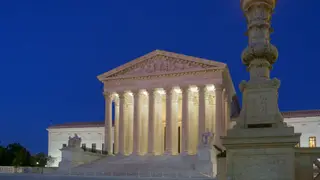
The Supreme Court will hear arguments on October 5 in Suncor Energy v. Boulder County regarding whether federal law preempts state and local climate tort claims against fossil fuel companies. The case could determine the viability of deception-based liability theories that numerous state, tribal, and local governments have pursued to recover damages for climate-related harms. A broad ruling in favor of the oil companies could potentially dismiss all pending climate liability cases simultaneously.
The Supreme Court case centers on whether oil and gas companies can be held liable under state law for climate damages based on their knowledge and conduct. Boulder County asserts two separate legal theories: one claiming liability simply for producing fossil fuels while aware of climate consequences, and another alleging decades of deliberate deception—including efforts to undermine scientific consensus while simultaneously marketing themselves as environmentally responsible. The deception-based approach, which forms the foundation of most pending climate liability cases nationwide, targets the incremental harm from misleading consumers and policymakers rather than all climate-related damages.
The outcome could reshape environmental accountability frameworks significantly. A Supreme Court ruling favoring oil companies might eliminate numerous pending lawsuits filed by states, local governments, and tribes seeking to recover climate-related costs. Conversely, upholding state authority could establish precedent allowing jurisdictions to pursue damages based on corporate misconduct rather than emissions alone, potentially exposing energy companies to substantial financial liability and encouraging stricter corporate transparency standards regarding climate science.
A ruling for petitioners could simultaneously dismiss climate cases across multiple jurisdictions, effectively foreclosing this litigation strategy for governments seeking compensation for infrastructure damage, public health impacts, and adaptation costs attributed to climate change. The decision may determine whether state courts retain authority over tort claims involving interstate environmental effects or whether federal law exclusively governs such disputes. The case's resolution will likely influence corporate climate disclosure practices and shape the landscape of environmental accountability for decades.