Extreme Roller Coaster Permanently Shut Down Following Serious Head Trauma Allegations
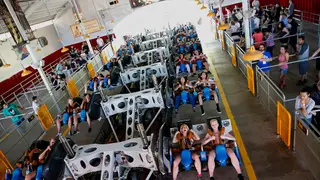
Six Flags announced the permanent closure of its X2 roller coaster after multiple lawsuits alleged riders suffered brain injuries, with more than 100 additional complaints reported. Medical experts note that the extreme forces from rapid acceleration, twisting, and directional changes can stretch brain tissue and blood vessels, potentially causing concussions and bleeding. Two women required emergency surgery for subdural hematomas after separate incidents in July 2026, prompting the company to prioritize guest safety.
The X2 closure represents a significant response to documented medical harm. Two separate incidents in July 2026 resulted in subdural hematomas requiring emergency brain surgery, with one victim experiencing prolonged unconsciousness and requiring rehabilitation to regain basic motor and speech functions. The accumulation of over 100 additional complaints from riders suggests a pattern rather than isolated incidents, leading to three formal lawsuits filed that ultimately prompted Six Flags' decision.
Concerns about extreme roller coaster safety extend historically beyond X2. Early thrill rides like the Flip Flap Railway, which operated in the 1890s-1900s, were associated with numerous injuries due to designers' limited understanding of biomechanical forces on the human body. Modern engineering has improved safety standards considerably, yet this closure underscores ongoing questions about whether existing testing protocols adequately protect against neurological injury from sustained extreme forces.
The permanent closure could influence how theme parks evaluate risk tolerance for extreme attractions and may prompt industry-wide review of safety testing protocols. Riders and families may reassess participation in high-intensity rides, potentially affecting park attendance and revenue. Legal liability concerns could accelerate adoption of more stringent neurological safety standards across the amusement industry, though implementation costs and competitive pressures may create resistance to widespread changes.