Court Blocks Pied-à-Terre Tax Implementation, Requires Revision to Narrower Scope
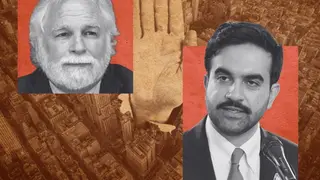
A judge overturned the initial rollout of Mayor Zohran Mamdani's pied-à-terre tax, finding the implementation process was flawed and too broad in its reach. The decision, prompted by a lawsuit led by former Deputy Mayor Randy Mastro, requires the city to remove names from the supplemental tax roll and cancel notices already sent to homeowners. The judge determined that the tax should apply only to a more restricted group of eligible property owners.
A judicial decision has halted the rollout of a residential property tax initiative championed by Mayor Zohran Mamdani. The court found procedural issues with how the tax was introduced and determined its initial scope extended too far beyond the intended target group. As a result, property owners who received notices about their tax obligations will have those communications withdrawn, and their names must be struck from the relevant tax documentation.
The legal challenge originated from former Deputy Mayor Randy Mastro, whose lawsuit questioned the implementation approach. The judge's ruling requires the city to recalibrate the tax framework to apply to a narrower subset of property owners, suggesting the policy itself may not be abandoned but rather redesigned to meet legal standards.
This decision could affect homeowners who received tax notices under the initial rollout, potentially delaying revenue collection from the proposed policy. The ruling may influence how municipal administrations design and implement similar taxation initiatives going forward, as it emphasizes procedural rigor and clearly defined eligibility criteria. Property owners and real estate stakeholders may experience uncertainty during any redesign period, while the city faces the administrative task of revising its tax structure to comply with the court's narrower scope requirement.