Taiwan allocates massive funds to quadruple ammunition reserves against potential military blockade
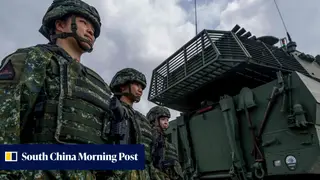
Taiwan's military has launched a six-year ammunition replenishment program costing over US$850 million to increase critical ammunition stocks from 30 days to 120 days of combat supply, aimed at sustaining military operations during a potential blockade. The initiative running through 2031 reflects Taiwan's strategic focus on self-sufficiency in wartime scenarios where external supply lines may be cut off by cross-strait conflict. The program requires legislative approval and will see accelerated procurement beginning in 2027 to address increased ammunition consumption from frequent military readiness exercises.
Taiwan's ammunition initiative addresses a critical vulnerability identified through recent military exercises. The island currently maintains only 30 days of combat-ready ammunition supplies, creating significant risk if external weapons deliveries are disrupted during conflict. By 2031, the four-fold increase to 120 days would substantially extend Taiwan's operational capability and reduce dependence on foreign resupply chains during the critical early phases of any cross-strait confrontation.
The program's phased approach concentrates spending in 2026 and 2027, with accelerated procurement beginning in 2027 to meet escalating demand. Rising ammunition consumption from intensified readiness drills has made faster replenishment necessary. This investment reflects Taiwan's strategic shift toward self-sufficiency in wartime scenarios, recognizing that sustained military operations may require months of independent supply before external assistance becomes available.
Taiwan's ammunition stockpiling could reshape military planning assumptions across the Asia-Pacific region. Strengthened ammunition reserves may increase Taiwan's deterrent posture by extending combat duration, potentially influencing adversary calculations about military timelines. Regional partners and the international community may reassess Taiwan's defensive capabilities and resilience. However, such buildup could also intensify cross-strait tensions if perceived as provocative, while the initiative's success depends on legislative approval and overcoming potential procurement bottlenecks in global weapons markets.