Speaker Johnson resists AI regulation as Trump meets with tech leaders
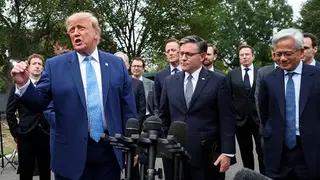
Speaker Mike Johnson declined to commit to legislative action on artificial intelligence regulation following a White House meeting between President Trump and technology executives. Despite growing concerns about AI security breaches and public skepticism, Johnson pledged only to continue assessing the issue rather than introducing binding laws. The White House released a joint commitment signed by the president and tech leaders emphasizing industry self-regulation with the possibility of future legislation.
The White House gathering brought together prominent technology figures including leaders from Nvidia, Meta, Amazon, and Anthropic alongside President Trump and congressional leadership. The centerpiece outcome was a voluntary commitment document emphasizing company-level responsibility for safe AI development, with the possibility of future legislative action deferred to an unspecified timeline.
On Capitol Hill, regulatory efforts faced immediate resistance. A Democratic proposal for establishing an independent AI Safety Board with enforcement authority and mandatory pre-release review requirements failed to advance when the Senate Republican leadership objected to a unanimous consent request. Even senators acknowledging the urgency of AI governance offered competing visions, from self-regulatory frameworks to potential industry certifications modeled on existing quality standards.
The divergence between executive branch deference to industry and congressional calls for oversight could shape how artificial intelligence development proceeds in coming years. Investors, AI companies, and their competitors may benefit from or face challenges under varying regulatory approaches. Meanwhile, government agencies reliant on protected databases and citizens concerned about AI security could experience different levels of protection depending on whether voluntary commitments prove adequate or mandatory standards become necessary. The timing and stringency of any eventual rules may influence both technological innovation and public trust in systems increasingly affecting national security and everyday life.