Uranium miners quickly stake claims on newly opened Utah monument land
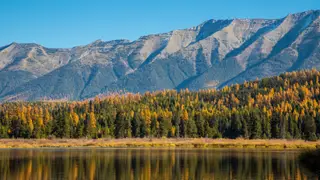
Within days of President Trump shrinking Bears Ears National Monument by 90 percent, small-scale miners filed 16 claims on the newly accessible 1.2 million acres, with most appearing interested in uranium mining. The rapid staking of claims by local prospectors, including an off-roading guide and a family mining business, has alarmed environmental groups who fear mining activity will damage fragile monument resources. The claims represent the immediate consequence of rolling back federal protections that had been established under President Obama.
Bears Ears National Monument has experienced significant legal and administrative changes over the past decade. The site was initially protected in 2016 under President Obama's administration, covering approximately 1.35 million acres of land in southeastern Utah. Since then, the monument's boundaries have shifted multiple times depending on the sitting president, reflecting broader debates over federal land management and resource access in the western United States.
The 16 mining claims filed immediately after the monument's reduction appear concentrated among small operators rather than large industrial concerns. The claimants include individuals with other primary occupations and small family businesses, several with documented connections to uranium exploration and development. Staking claims represents an early stage in the mining process and does not guarantee that extraction will occur.
The rapid filing of mining claims could trigger significant consequences for local ecosystems and water resources in the region. Environmental organizations worry that mining activity may degrade archaeological sites, wildlife habitat, and geological features within the formerly protected land. Conversely, mining proponents may argue such activity could provide economic opportunities for rural Utah communities. The competing interests between resource development and conservation preservation may generate legal and political challenges affecting land use policy for years ahead.