Consumer Health Fads Struggle to Stick as Cost and Effort Barriers Persist
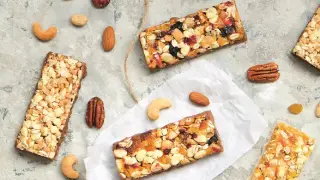
A new study found that only 25% of British consumers attempted health or food trends in the past year, with half abandoning these efforts within the first month due to cost, difficulty, and lack of visible results. Protein products are showing sustainable growth with a 9.6% value increase, particularly among over-55s, while consumers increasingly prefer natural sugar reduction over artificial sweeteners. The research indicates that successful grocery trends are those that prove affordable, maintainable, and deliver tangible consumer benefits rather than generating online buzz.
The research reveals a significant disconnect between consumer interest in wellness and actual purchasing behaviour. Vypr's study demonstrates that the majority of people who experiment with health trends give up quickly, with nearly a third citing affordability as the primary obstacle. This pattern suggests that while health consciousness remains high among British shoppers, practical constraints limit sustained adoption of new dietary approaches.
The data shows which wellness categories are proving more resilient in the marketplace. Protein products have achieved genuine momentum with nearly 10% value growth, driven unexpectedly by older demographics rather than younger fitness enthusiasts. Conversely, fermented foods and probiotics are gaining traction for gut health, though actual purchasing behaviour lags significantly behind consumer belief in their mental health benefits—indicating a substantial gap between perceived value and willingness to pay.
This research could influence how food manufacturers and retailers develop and market health products to small and medium-sized grocery businesses. Understanding that cost and ease-of-use matter more than viral trends may prompt companies to focus on affordable, accessible innovations rather than chasing social media momentum. The findings may also affect supply chain decisions and product placement strategies, potentially reshaping which health-focused items receive shelf space and promotional investment in coming years.