Archaeological Findings Surface During Cemetery Area Construction Project
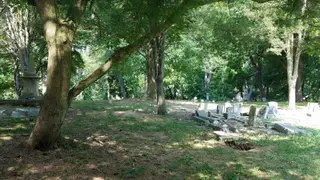
Authorities revealed that an archaeological monitor collected approximately 118 items during construction near historic cemeteries in Georgetown, items now being cataloged by the Office of Planning. The Black Georgetown Foundation raised concerns about unmonitored excavation that occurred before archaeological oversight began, noting the difference between contractor observations and professional archaeological evaluation. Questions remain about the origin of collected items and the need for additional geophysical mapping and protection plans.
Construction near two historic Georgetown cemeteries has unearthed roughly 118 artifacts now undergoing documentation by city planning officials. The discovery raises questions about the adequacy of oversight during initial excavation phases, as contractor personnel worked for over a month to depths approaching 13 feet before professional archaeological evaluation commenced. The items' origins and significance within the broader historic landscape remain uncertain pending detailed cataloging and analysis.
The National Park Service has confirmed archaeological importance of portions of the affected site, particularly Lyons Mill Road, which was recently designated as a contributing archaeological location in a 2024 regional cultural landscape assessment. Authorities have not yet provided requested geophysical mapping data or formal protection protocols, prompting advocacy groups to pursue additional public records through formal channels to evaluate whether proper safeguards were implemented during construction activities.
This situation may affect how future construction projects near historic sites balance development needs with preservation requirements across the district. Questions about enforcement mechanisms and advisory versus binding archaeological recommendations could influence municipal practices and stakeholder relationships. Delays in providing public records and fee disputes may also set precedent for how citizen oversight groups access information needed to assess heritage protection in their communities.