Energy Storage Systems Require Advanced Connectivity and Coordination Across Multiple Components
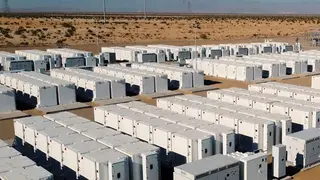
Battery energy storage systems depend on seamless integration between management systems, power conversion equipment, grid controls, and remote monitoring infrastructure to ensure reliable performance and safety. Industry leaders emphasize that as storage deployments scale, interoperability between different manufacturers' equipment and predictive maintenance capabilities become critical operational requirements. Portfolio-level visibility and coordinated control across multiple storage assets are emerging as essential priorities for renewable energy integration.
Battery storage systems function as complex networks requiring multiple interconnected layers to operate effectively. The battery management system monitors cell health, the power conversion system handles voltage transformation, and the energy management system orchestrates overall dispatch strategy. These components must exchange data with minimal delays while remaining visible to remote control centres and grid operators. As renewable energy installations grow larger and more numerous, operators increasingly manage portfolios combining solar, wind and storage assets that must function as coordinated units rather than isolated installations.
Equipment interoperability presents a significant challenge as different manufacturers use proprietary protocols and systems. This fragmentation complicates the integration of new assets into existing portfolios and restricts the ability to swap components. Predictive maintenance capabilities, supported by centralised data analysis across entire fleets, represent an emerging operational priority. Real-world deployment experience demonstrates that careful engineering design can achieve performance metrics exceeding initial requirements, with some facilities reaching round-trip efficiency rates approaching 89 percent against 85 percent targets.
Improved connectivity and coordination in energy storage systems could enhance renewable energy reliability, potentially supporting grid stability as fossil fuel generation declines. Standardised interfaces and better interoperability may reduce deployment costs and accelerate storage adoption. Conversely, these complex technical requirements may create barriers for smaller operators lacking engineering expertise. Cybersecurity risks associated with increased connectivity could require substantial investment in protection infrastructure. The development of domestic manufacturing and testing capabilities mentioned may affect equipment costs and technology access across the region.