Proposed Shielded Bitcoin Protocol Enables Private Transactions Without Network Overhaul
A new proposal called Shielded Bitcoin would add privacy features to obscure transaction details including sender, recipient, and amount without requiring a network fork. Users would pay approximately four times the normal transaction fee for private transfers and could maintain optional viewing keys for sharing transaction records with third parties like accountants. The implementation remains pending completion of the infrastructure needed to bridge between shielded and regular transactions.
A newly proposed protocol aims to introduce confidentiality mechanisms to Bitcoin transactions while preserving the network's existing structure. The approach would allow participants to obscure fundamental transaction information—identities of parties involved and transfer amounts—without requiring a fundamental restructuring of the blockchain itself. This represents a technical alternative to more invasive modifications.
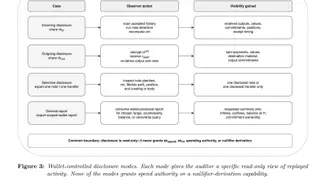
The proposal incorporates a fee structure that reflects the added computational complexity of privacy protections. Transaction costs would increase substantially for users selecting confidential transfers. Notably, the system permits optional disclosure through viewing keys, enabling participants to selectively share transaction history with external parties such as financial professionals or auditors when compliance or record-keeping demands arise.
Such privacy enhancements could reshape cryptocurrency adoption patterns across different user segments and jurisdictions. Enhanced confidentiality may appeal to users concerned with financial surveillance or competitive sensitivity, potentially increasing transaction volume in privacy-focused applications. Conversely, improved transaction obscurity could raise regulatory scrutiny regarding illicit activity detection and financial monitoring capabilities. The fee premium may also create behavioral incentives, affecting which users choose privacy protections and influencing overall network transaction patterns.