Quick Assessment Method Identifies Irrigation Problems Before Increasing Watering Time
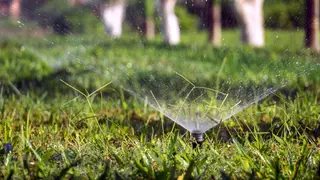
Brown or dry patches in lawns often result from poor sprinkler coverage and water waste rather than insufficient watering, making a simple inspection audit more effective than merely running sprinklers longer. Homeowners can quickly identify issues by checking soil moisture levels, observing where water actually lands, and testing coverage across the entire lawn area to spot dead zones and water landing on hardscapes. This assessment approach helps both those adjusting existing systems and planning new installations determine the appropriate sprinkler placement and watering zones needed.
Many homeowners mistakenly believe that brown lawn patches indicate insufficient water supply, when the actual culprit often involves system inefficiency. Problems such as soil compaction, uneven sprinkler head positioning, or misdirected water spray onto hardscapes can create dry zones despite regular irrigation cycles. Understanding these root causes allows property owners to address the underlying mechanical or environmental issues rather than simply extending watering schedules.
A straightforward diagnostic process—checking soil moisture, observing spray patterns, and measuring water distribution with simple containers—can reveal exactly where problems originate. This audit approach proves equally valuable whether modifying an established system or designing a new installation, as it provides concrete data about which areas require repositioning of sprinkler heads or adjustment of coverage zones.
This assessment method could help residential property owners reduce both water consumption and utility costs while maintaining healthy landscapes. By identifying inefficient spray patterns and uneven coverage before increasing runtime, homeowners may decrease overall water waste and lower their environmental footprint. The approach could also benefit municipalities facing water conservation challenges, as widespread adoption of such audits might substantially reduce residential irrigation waste at the community level.