Russian asset confiscations signal threat to remaining Western corporations
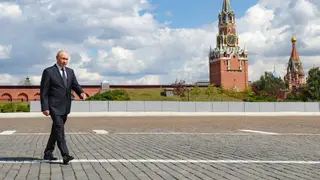
Russia's seizure of assets from multinational corporations Nestle and Auchan demonstrates the Kremlin's strategy of targeting Western companies regardless of their cooperation or market presence, according to analysts. Both companies maintained operations in Russia after the 2022 invasion despite international pressure, believing they could preserve market share and eventually resume normal business. The confiscations represent the culmination of a pattern begun in 2022 when Putin seized ExxonMobil assets, followed by similar actions against other foreign firms, suggesting Western companies face mounting financial and legal risks by remaining in Russia.
Russia has progressively targeted foreign multinational corporations since 2022, with the Kremlin seizing stakes and operations from energy firms, consumer goods manufacturers, and industrial companies that maintained business presence in the country. The pattern suggests a calculated strategy rather than isolated incidents, particularly affecting companies that initially believed their continued operations served humanitarian purposes or would allow them to reclaim market position once geopolitical conditions normalized.
These confiscations carry significant consequences for corporate decision-making frameworks. Shareholders and investors now face potential write-downs on Russian assets, while companies remaining in the market expose themselves to indefinite financial and legal vulnerability under an unpredictable regulatory environment controlled by state authorities.
The seizures may influence how multinational corporations evaluate risk in authoritarian regimes, potentially reshaping investment strategies across geopolitically unstable regions. Western companies could face pressure from investors and stakeholders to establish clearer exit protocols, while the confiscations may accelerate capital reallocation toward more stable markets. Additionally, employees of seized operations and supply chain partners in Russia could experience disruption, and shareholders may demand greater transparency regarding exposure to regime-controlled assets.