Record-breaking heatwaves and wildfires push one-third of global population into dangerous ozone zones
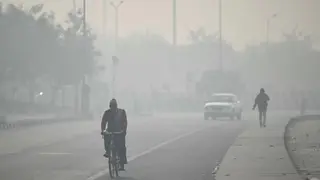
A European Union climate monitoring report found that 34 percent of the world's population experienced extremely poor air quality from ozone pollution during the first eight months of 2026. Extreme heatwaves and widespread wildfires in Europe, North America, and Indonesia combined with industrial emissions to create dangerous ground-level ozone that damages lung tissue and triggers respiratory problems. Asia experienced the highest ozone exposure levels despite decades of progress reducing other air pollutants.
Ground-level ozone forms through a chemical reaction when heat and sunlight interact with emissions released from wildfires, vehicles, and industrial sources. Unlike other air pollutants that have declined significantly over recent decades through regulatory efforts, ozone has proven remarkably resistant to reduction strategies, particularly as warming temperatures create ideal conditions for its formation. The 2026 findings reveal this vulnerability: while industrial nations like those in the EU have successfully cut traditional harmful emissions, they have struggled to control ozone specifically.
Asia's severe exposure reflects the intersection of rapid industrialization, transportation growth, and natural factors including agricultural burning practices and wildfire activity. Major population centers including New Delhi, Dhaka, Chongqing, and Lahore all recorded extremely poor ozone concentrations during the monitoring period, indicating that densely populated regions face compounded health risks from both climate-driven and development-related pollution sources.
The findings suggest that millions of people across Asia, Europe, and North America may face heightened risks of respiratory disease and other health complications from prolonged ozone exposure. Vulnerable populations—including children, elderly individuals, and those with existing lung conditions—could experience particularly severe effects. The report indicates that transnational pollution dynamics may complicate mitigation efforts, as ozone-forming precursors cross borders, potentially requiring coordinated international policy responses rather than isolated national measures.