Complete American military withdrawal from Iraq heightens concerns about Iranian militia expansion and Islamic State resurgence
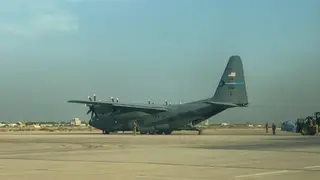
The United States completed its military withdrawal from Iraq on Wednesday, executing a pullout arrangement made under former President Joe Biden and carried forward by the Trump administration. Iraqi officials and security analysts warn the departure could create dangerous security gaps enabling Iranian-backed militias to strengthen their influence and providing opportunities for Islamic State fighters to regroup. The withdrawal concludes over two decades of American military presence that began with the 2003 invasion toppling Saddam Hussein.
The American military presence in Iraq has spanned over two decades, beginning with the 2003 invasion that removed Saddam Hussein from power. After an initial withdrawal in 2011, U.S. forces returned within three years to assist Iraqi military efforts against the Islamic State group during a major conflict that lasted from 2014 to 2017. Throughout this extended engagement, thousands of American service members lost their lives, with Iraq accounting for roughly twice as many U.S. casualties as the concurrent war in Afghanistan.
The withdrawal arrangement was originally negotiated during the Biden administration but has been executed under the Trump administration, despite ongoing tensions between Washington and Tehran. Iranian officials have publicly characterized the U.S. departure as a strategic victory for their regional alliance network, while security analysts note that Iraq's domestically trained forces may lack sufficient capability to independently manage emerging threats without American military support systems.
The withdrawal could significantly reshape Iraq's security landscape and regional power dynamics. Iraqi citizens and officials face potential risks from both Iranian-backed militia expansion and Islamic State resurgence, which may affect civilian safety and state stability. Additionally, the shift in American military presence may influence broader Middle Eastern geopolitics, potentially altering Iran's regional influence and the balance of power across the area. These developments could have consequences for Iraq's governance, reconstruction efforts, and citizens' security for years ahead.