Turkey Prioritizes Oil Transit Over Agriculture as Global Supply Routes Shift
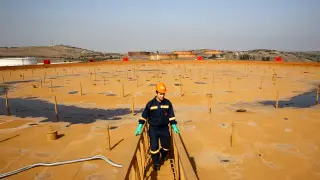
Turkey's fertile Cukurova region, historically one of the world's most productive agricultural areas, is being converted into an oil transit hub to accommodate 850,000 additional barrels per day displaced by wars in Ukraine and Iran. The transformation threatens displacement of farmers and fishers while redirecting the Fertile Crescent's last major agricultural heartland toward energy infrastructure. Turkey is capitalizing on geopolitical disruptions to expand its role as a critical energy corridor, at significant cost to regional food production.
The Cukurova region has historically sustained itself through intensive agricultural production, leveraging seasonal rainfall patterns and riverine irrigation to generate multiple crop cycles annually. Its Mediterranean location enables cultivation of both field crops and temperature-sensitive produce that thrive in controlled greenhouse environments, positioning it as a critical food production zone for the broader region.
Turkey's strategic position in global energy markets has been fundamentally reshaped by recent geopolitical disruptions. The wars affecting Ukraine and Iran have rendered several traditional petroleum export corridors unreliable or inaccessible, creating immediate demand for alternative shipping infrastructure. Turkey's existing pipeline terminals at Ceyhan represent among the few viable Mediterranean outlets for crude oil previously routed through compromised corridors, making infrastructure expansion economically attractive to Turkish policymakers.
The potential conversion of Cukurova's agricultural land to energy infrastructure may create competing pressures between food security and economic opportunity for Turkey and neighboring regions. Local farming and fishing communities could face displacement without alternative livelihood options, while the broader region—already stressed by water scarcity—might experience reduced domestic food production capacity. Conversely, energy transit revenues could fund economic development, though long-term environmental impacts on soil and water systems could diminish future agricultural viability regardless of policy shifts.