Viral fermented garlic remedy poses serious botulism risk, experts warn
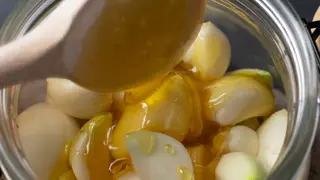
Social media influencers are promoting a homemade remedy of garlic fermented in honey as an immune-boosting treatment, but health officials warn the practice creates dangerous conditions for botulism-causing bacteria. The fermentation process can provide an anaerobic environment where Clostridium botulinum bacteria present in both honey and garlic can multiply to lethal levels if the mixture's pH does not become acidic quickly enough. While honey and garlic individually have antimicrobial properties that normally inhibit bacterial growth, combining them fundamentally alters the chemical conditions in ways that can activate this threat.
The danger arises from how combining honey and garlic changes their chemical makeup. While each ingredient individually resists bacterial growth—honey lacks sufficient moisture for microbes to thrive, and garlic possesses natural antimicrobial compounds—mixing them creates new conditions. The bacteria in honey can extract water from garlic, enabling multiplication. If the fermentation process fails to quickly lower the pH level, this accelerated growth becomes even more likely, potentially generating dangerous toxin levels.
Botulism remains uncommon overall, though infant cases have increased significantly since the 1970s. Adults typically have sufficient immune defenses to combat ingested bacteria, but infants lack these developed gut protections. The toxin damages nerve function, potentially affecting critical muscles like the diaphragm, which controls breathing. Recent cases have implicated other fermented foods beyond garlic mixtures.
This trend could influence public health messaging around homemade remedies and food safety practices. If social media continues amplifying such recipes, health agencies may need broader education efforts distinguishing between traditional fermentation with proper safety protocols and uncontrolled home preparations. Vulnerable populations, particularly infants in households where such remedies are prepared, could face heightened risk. The story illustrates potential tensions between wellness culture and evidence-based food safety guidelines.